Sasamai Club
Rice Farming at Sasabe
Growing rice in the terraced paddies of Sasabe means protecting the landscape and carrying on the history of this place. From soil preparation through water management to the autumn harvest — would you like to walk through one farming year with us?
Background
Protecting the terraced paddies
is protecting the landscape.
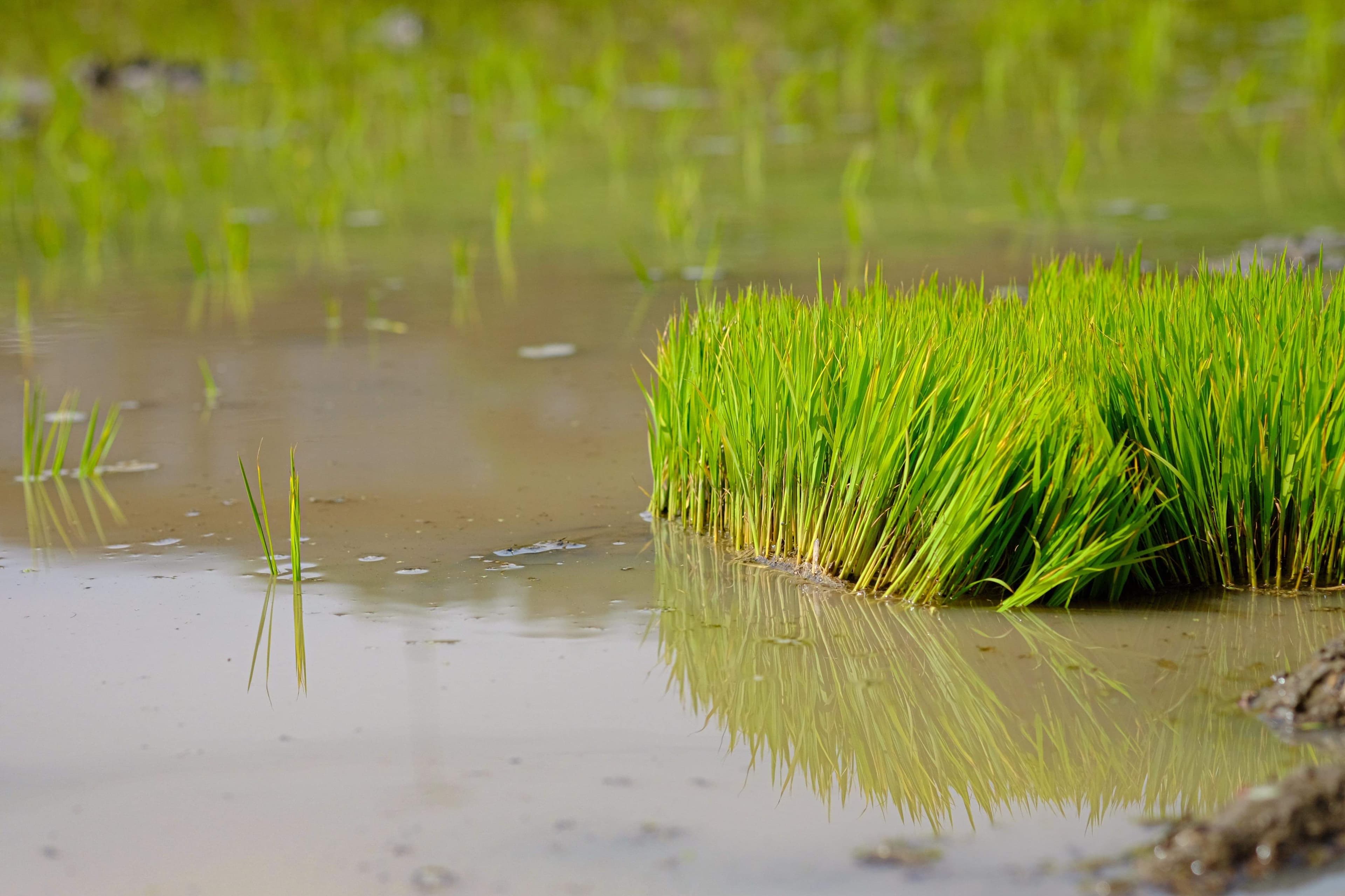
The terraced paddies of Sasabe are an essential part of this region's landscape. But in recent years, as farmers age and the shortage of successors grows more serious, the number of abandoned fields is increasing. If left uncultivated, the terraces fall into disrepair and the landscape is lost.
Rice farming is not simply about producing food. It is the act of storing water, nurturing soil, and creating habitat for living things. We want to pass on this value to the next generation.
Sasabase shares this reality as it is, and creates opportunities to encounter satoyama life through actual farm work.
Annual activities
A year of rice farming
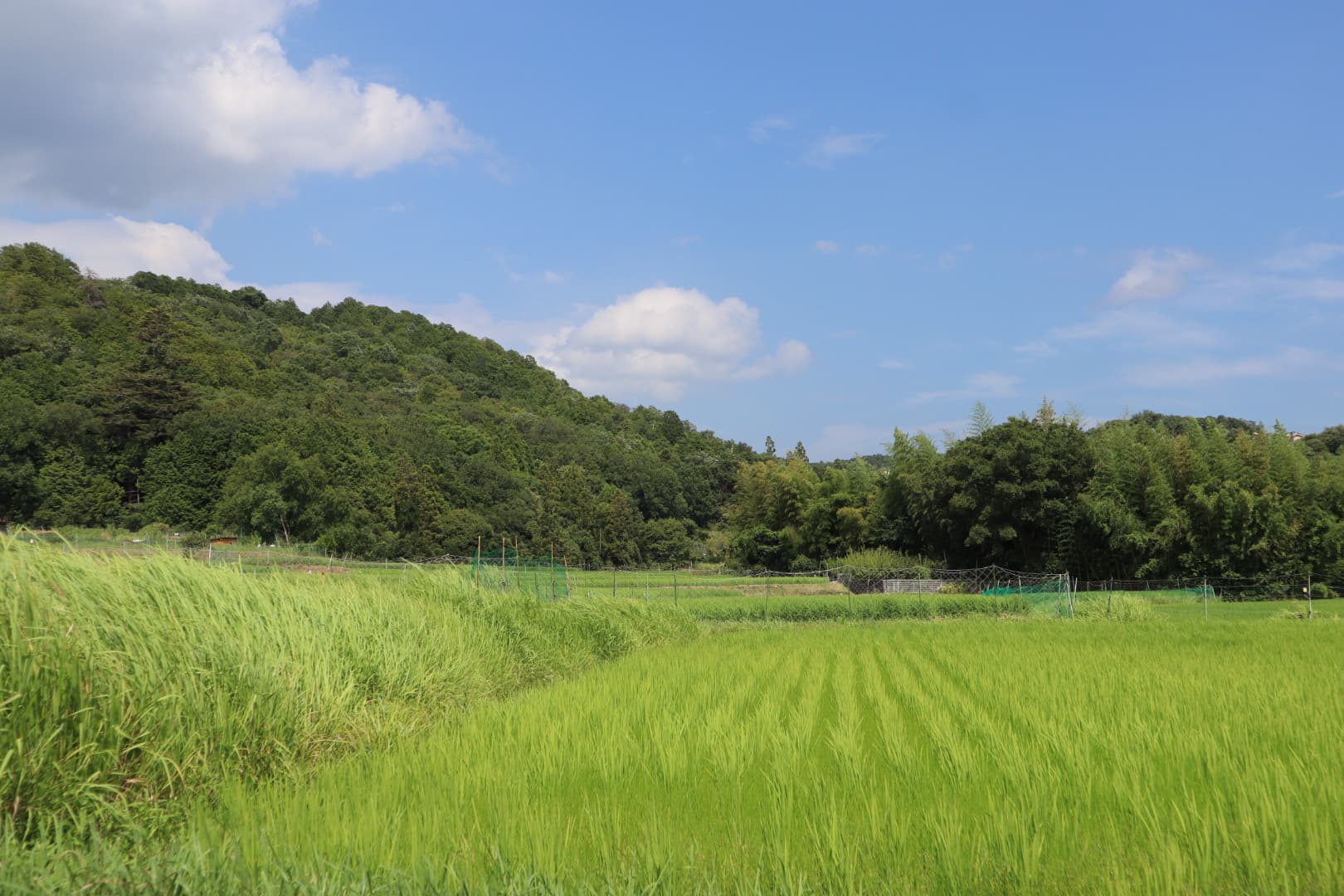
Starting with soil preparation, then planting, water management, and harvest. Different work continues with each season.
※ The work and dates you can actually join depend on the weather, the condition of the paddies, and availability.
March – April
Irrigation work & soil preparation
Preparation begins with clearing the mud that has built up in the irrigation channels over winter. It also involves grass cutting and sandbag work upstream — hard physical labour. After that, the tractor turns the soil to prepare the ground for the seedlings.
May – June
Rice planting
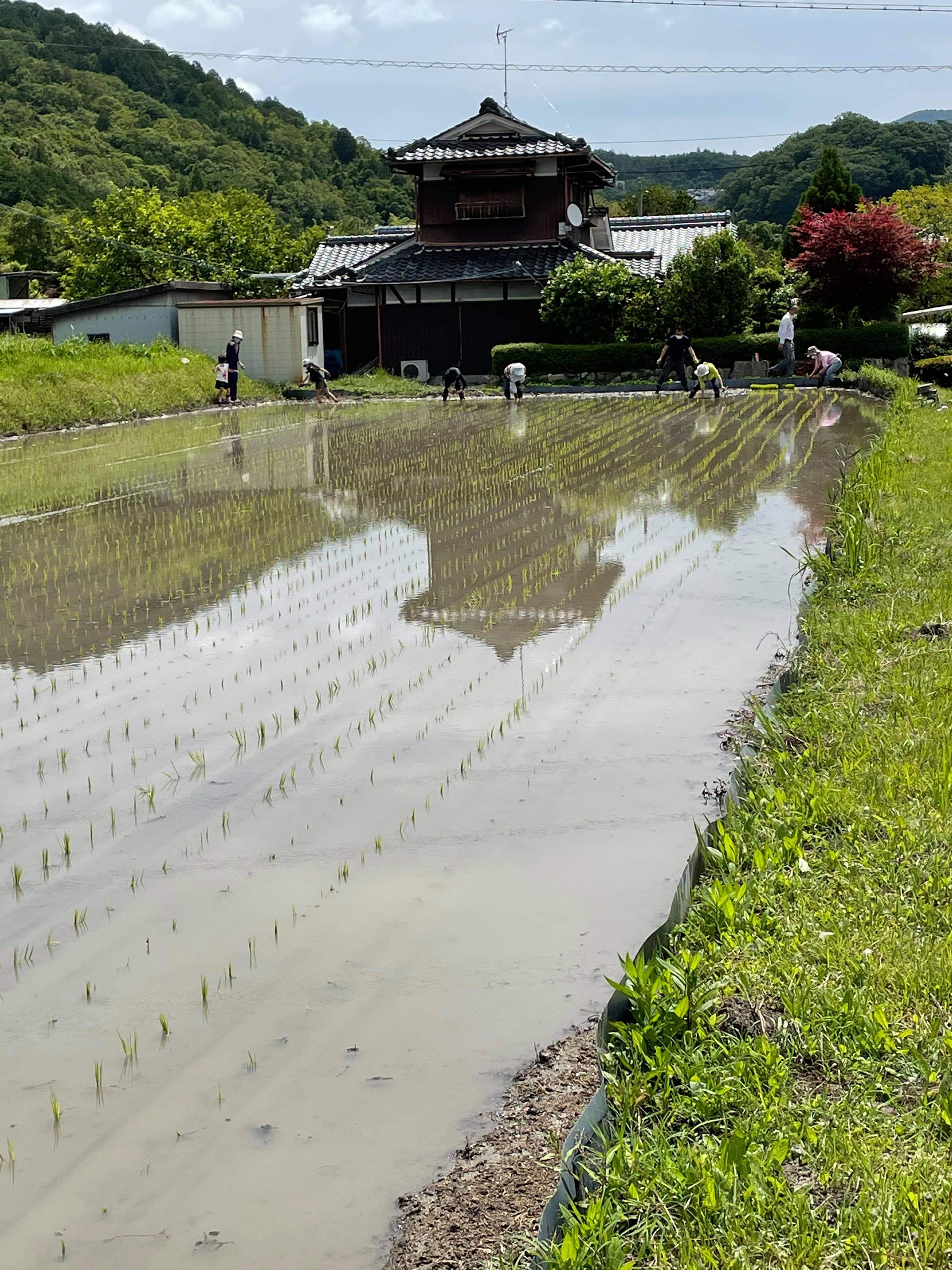
The season for planting seedlings in the Sasabe terraced paddies. Machine planting is used where possible, but paddies that machines cannot reach are planted by hand. Planting is also popular as an experience activity. The view of the water-filled terraced paddies after planting is something special.
June – September
Water management & weeding
Even after planting, daily water management continues. The steady, unglamorous work of keeping the water level right and removing weeds is what connects to the autumn harvest. This period is the most important — and the least visible.
October
Harvest
Most of the harvest is done by combine harvester. Some areas that machines cannot reach are cut by hand. After threshing and drying, the rice is finished as new-crop rice. At Sasabase, you can also cook rice over an outdoor wood-fired pot and enjoy it together.
How to join
Would you like to take part in this work?
The Sasamai Club offers ongoing opportunities to get involved in the rice cultivation that maintains the terraced paddies.
The work includes not only seasonal milestones but also daily care and environmental upkeep.
It is not a light commitment — but in return, you get to touch one part of the local community's way of life.
The harvested rice is offered to participants on a priority basis. It is rice grown with as little agricultural chemicals as possible.
If you are interested, please feel free to get in touch.
Contact
Would you like to experience
satoyama rice farming?
Please feel free to get in touch first.
Contact us